How to Start a Coffee Cart Business: Permits, Costs, and the Real Numbers
How to Start a Coffee Cart Business Contents 01Why Coffee Carts Work 02Startup Costs 03Choosing Your Machine 04Water and Power 05Permits and Licensing 06Menu and Margins 07Finding Locations 08Scaling Up Coffee carts are one of the lowest barrier entries into the specialty coffee industry. The overhead is a fraction of a full cafe build-out, the location flexibility is enormous, and the product margins are some of the best in food service. But a low barrier does not mean low standards. The equipment you choose, the water you use, and the permits you secure all determine whether your cart becomes a real business or an expensive hobby. This guide covers the practical decisions that matter: machine selection, power requirements, startup budgets, permit navigation, and the margin math that separates profitable carts from ones that close within a year. Every number you see here comes from real operator experience and equipment specifications. $8K Minimum Startup 72% Avg Gross Margin 6 mo Typical Breakeven FIG. 01 // STARTUP COST BREAKDOWN BY CATEGORY (USD, MIDPOINT ESTIMATES) 01 Why Coffee Carts Work A full cafe build-out in a major metro area runs between $150,000 and $500,000 depending on the space, equipment, and permit complexity. A coffee cart can be operational for under $15,000. That difference changes everything about the risk profile. Carts succeed because they combine three advantages that fixed locations cannot match: mobility, low fixed costs, and the ability to test locations before committing to a lease. If a farmers market slot underperforms, you move to a different one next weekend. If a corporate park dries up in summer, you shift to festival season. The cart goes where the customers are. The product itself carries remarkable margins. A double espresso costs roughly $0.45 in beans and $0.15 in milk for a latte. At a $5.50 selling price, you are looking at north of 70% gross margin before labor. Very few food service categories offer that kind of margin on a product people buy every single day. Key Insight The best coffee carts are not cheaper versions of cafes. They are a different business model entirely: high margin, low overhead, location-flexible operations that can be profitable from month one if the equipment and menu are dialled in correctly. 02 Startup Costs The total investment depends on whether you are building a basic drip and pour-over cart or a full espresso operation. The gap between these two approaches is significant, and the choice should be driven by your target market, not your budget alone. SPEC · STARTUP COST BREAKDOWN Cart or trailer$2,000 to $8,000 Espresso machine$2,500 to $12,000 Grinder$500 to $2,500 Water system (tank + filtration)$300 to $1,200 Generator or power solution$800 to $3,000 Permits and licensing$200 to $1,500 Initial supplies (cups, lids, beans)$400 to $800 Signage and branding$200 to $1,000 Ranges reflect new vs. used equipment and local permit fees. A lean espresso cart starts around $8,000. A fully outfitted operation with a premium machine can exceed $25,000. The espresso machine is the single largest line item and the one that most directly affects your product quality. Cutting corners here creates problems that compound: inconsistent shots, slow service during rushes, and maintenance headaches that cost more than the savings. A used commercial grinder is often the smartest allocation of a tight budget. Grind quality affects extraction more than almost any other variable, and commercial grinders hold their value well. A $1,200 refurbished Mazzer or Eureka will outperform a $500 prosumer model by a wide margin. 03 Choosing Your Machine The right espresso machine for a cart is not the same as the right machine for a cafe counter. Cart machines need to handle three constraints that most fixed-location machines never face: limited power, limited water supply, and constant transport vibration. SPEC · CART MACHINE REQUIREMENTS Power draw1,200W to 2,400W Boiler capacity1.8L to 5.0L Warm-up time8 to 20 min Weight (dry)18 to 35 kg Plumb-in requiredNo (reservoir fed) Single group machines are the standard for most cart operations. Dual group only if you consistently serve 100+ drinks per session. Single Boiler vs. Heat Exchanger vs. Dual Boiler Single boiler machines are the most compact and power-efficient option. They work well for carts serving fewer than 50 drinks per session. The trade-off is a pause between pulling shots and steaming milk, which slows you down during peak periods. Heat exchanger machines solve the simultaneous brewing and steaming problem at a moderate power cost. For most cart operators doing 50 to 100 drinks per session, this is the sweet spot. Machines like the Rocket Appartamento or Profitec Pro 500 are popular cart choices for good reason: reliable, reservoir-fed, and able to handle a moderate rush. Dual boiler machines are overkill for most carts, but if you are operating at high-volume events (music festivals, trade shows, corporate catering), the independent temperature control and continuous output justifies the extra power draw and weight. The machine you choose determines your ceiling. Everything else, the grinder, the beans, the technique, only matters if the machine can deliver consistent pressure and temperature. 04 Water and Power These two constraints define the practical limits of your cart operation. Every equipment decision downstream, from machine selection to daily capacity, flows from how you solve water and power. Water Supply Most cart machines run off internal reservoirs, typically 2.5L to 5.0L. A standard double espresso uses roughly 36mL of water at the group head, plus additional water for steaming. Plan for approximately 150mL total per milk-based drink when accounting for steam, waste, and rinsing. SPEC · WATER PARAMETERS Total dissolved solids (TDS)75 to 150 ppm Calcium hardness50 to 85 ppm CaCO₃ pH range6.5 to 7.5 Chlorine0 ppm (filtered) Reservoir refill per 50 drinks~7.5L Use filtered water from a known source. Unfiltered municipal water will scale your boiler and degrade taste. Carry extra filtered water in food-safe containers. FIG. 03 // OPTIMAL WATER TDS RANGE FOR ESPRESSO EXTRACTION (PPM) Invest in a quality inline filter or a portable filtration pitcher designed for coffee. The SCA recommends water between 75 and 150 ppm TDS for optimal extraction. Too soft and the coffee tastes flat; too hard and you get scale buildup that shortens your machine's life and muddies flavour. Power Solutions Your machine's wattage dictates your generator size. A heat exchanger single group machine drawing 1,500W needs a generator rated for at least 2,000W continuous output (the startup surge is higher than the running draw). Add your grinder (200W to 350W) and you need headroom for both to run simultaneously. Honda EU2200i and equivalent inverter generators are the industry standard for coffee carts. They produce clean sine wave power that electronics prefer, run quietly enough for farmers markets and office parks, and offer 8 to 10 hours on a single tank at quarter load. Key Insight If your location offers shore power (a standard outlet), always use it. Generator fuel, maintenance, and noise are ongoing costs. Prioritise locations that provide power and subtract those costs from your pitch when negotiating placement fees. 05 Permits and Licensing Permit requirements vary dramatically by jurisdiction, and this is the area where most new cart operators underestimate the timeline. Start the permit process at least 60 to 90 days before your planned launch date. At minimum, you will typically need a business license from your city or county, a food handler's permit (usually requires completing a short course), a health department permit for your cart setup, and liability insurance. Some jurisdictions also require a commissary agreement, meaning you need a licensed commercial kitchen as your official base of operations even though you operate from the cart. FIG. 04 // PERMIT ACQUISITION SEQUENCE (ALLOW 60 TO 90 DAYS) Contact your local health department first. They will tell you exactly what the cart needs to pass inspection: hand-washing station, hot and cold running water, waste water containment, and food-safe surfaces. Design your cart around these requirements, not the other way around. Insurance typically runs $500 to $1,200 annually for a basic general liability policy. Many event venues and farmers markets require proof of insurance before allowing you on site, so this is not optional. 06 Menu and Margins Keep the menu tight. A cart is not a cafe, and trying to offer a full cafe menu from a cart creates bottlenecks, waste, and slower service. The most profitable cart menus have 6 to 8 drinks maximum. SPEC · COST PER DRINK Double espresso$0.35 to $0.50 12oz latte (beans + milk + cup)$0.75 to $1.10 Cold brew (batch, per 12oz)$0.40 to $0.60 Drip coffee (per 12oz)$0.20 to $0.30 Costs based on specialty-grade beans at $14 to $18 per kg wholesale. Includes cup, lid, and sleeve. A core cart menu that works: espresso, americano, latte, cappuccino, flat white, and one batch brew option (cold brew in summer, drip in winter). Add a single signature drink if you want personality, but keep it built on the same ingredients so you are not carrying extra inventory. Milk temperature matters for both taste and speed. Steam to 62 to 65°C for the best texture and sweetness. Going hotter produces a flat, slightly burnt taste that your regulars will notice. Consistent temperature also means consistent speed: you learn the exact timing and can work without a thermometer. FIG. 05 // GROSS MARGIN BY DRINK TYPE (% AT STANDARD CART PRICING) Pricing Strategy Price for your market, not for your costs. If you are at a farmers market in a neighborhood that supports specialty coffee, a $5.50 latte is perfectly reasonable. If you are at a construction site morning stop, $4.00 drip coffee with a strong and simple menu will move more volume and build loyalty faster. Most cart operators target 65% to 75% gross margin on beverages. After factoring in location fees, fuel, insurance, and supplies, net margins typically land between 30% and 45% for a well-run operation. The menu is not about what you can make. It is about what you can make well, fast, and consistently while standing in a space the size of a closet. 07 Finding Locations Location is the single biggest variable in cart revenue. The same operator with the same equipment can make $200 at a quiet weekday market or $2,000 at a Saturday farmers market or corporate event. The cart advantage is that you can test locations without a lease. High-Value Location Types Farmers markets are the classic starting point. They provide foot traffic, a built-in audience that values quality, and a predictable weekly schedule. Fees range from $50 to $150 per market day, and the best ones have waitlists, so apply early. Corporate parks and office complexes are underrated. A 3 hour morning window at a business park with 500+ employees can generate steady daily revenue with almost no marketing. Approach property management companies directly with a proposal that emphasises tenant amenity value. Events and festivals offer the highest single-day revenue but require more planning, larger water and power reserves, and sometimes additional permits. Music festivals, sporting events, and food truck gatherings can generate $1,500 to $3,000 per day if the foot traffic supports it. Key Insight Build a location portfolio, not a single pitch. The most resilient cart businesses operate at 3 to 5 regular locations throughout the week and fill gaps with event bookings. If one location underperforms, the others carry the business. 08 Scaling Up A successful cart is a proof of concept. Once you have consistent revenue and a loyal following at your regular locations, scaling becomes a question of how, not whether. The most common path is adding a second cart. This doubles your capacity without doubling your overhead, since many costs (brand, permits, supplier relationships) are already established. You will need to hire and train a barista, which means documenting your recipes and workflow so quality stays consistent. Some operators move from cart to trailer. A purpose-built coffee trailer offers more workspace, larger water tanks, the ability to run dual group machines, and a more permanent presence at high-value locations. Trailers typically cost $15,000 to $40,000 depending on the build-out. Others use the cart as a stepping stone to a fixed location. The customer base, brand recognition, and operational experience you build on the cart translate directly into a cafe launch with much lower risk than starting from zero. You already know your market, your product, and your numbers. Whatever the path, the principle is the same: scale the things that work, and know your numbers well enough to recognise when something stops working. Expert Machine Service and Support at Coffee Machine Depot Ready to upgrade your setup or explore new equipment. Our specialists can help you find the right machine for your space and needs. Whether you are launching your first cart or scaling to a second, we carry machines built for mobile espresso operations and can service what you already own. Explore Our Services →
How to Clean & Descale Your Espresso Machine
That bitter, ashy taste creeping into your morning espresso isn't your beans going stale — it's your machine crying for help. Scale buildup, coffee oil residue, and old grounds trapped in the group head are the silent assassins of great espresso. The good news? A 30-minute cleaning routine can bring your shots back to life. Here's exactly how to do it, step by step, whether you're running a single-boiler home setup or a commercial dual-boiler workhorse. Contents Why Descaling Actually Matters The Daily Cleaning Routine Weekly Backflushing Monthly Descaling Water Quality When to Call a Professional 01 Why Descaling Actually Matters Every time water flows through your espresso machine, it leaves behind trace minerals — primarily calcium and magnesium. Over weeks and months, these minerals crystallize into a chalky layer called limescale that coats the inside of your boiler, heating element, and water pathways. The consequences are real and measurable. Scale acts as an insulator between your heating element and the water. That means your machine works harder to reach brewing temperature, pulls more electricity, and still delivers inconsistent heat. You'll notice extraction times drifting, shot temperatures fluctuating, and steam pressure dropping. Left unchecked, scale can block water flow entirely and cause permanent damage to internal components. 1mm Scale thickness that reduces heating efficiency by 8% $800+ Average boiler replacement cost on premium machines 3–6 Months between descales for average water hardness Scale Impact on Machine Performance Over Time Month 1 −2% Month 3 −8% Month 6 −18% Month 12 −32% Month 18+ −50%+ Estimated heating efficiency loss without descaling. Based on average water hardness of 150–200 ppm. Beyond the machine itself, scale affects flavor. Mineral deposits alter the chemical interaction between water and coffee grounds during extraction. Shots become dull, bitter, or chalky — and no amount of grind adjustment or dose tweaking will fix what's actually a machine hygiene problem. If your espresso has gradually become more bitter or your machine takes longer to heat up than it used to, scale is almost certainly the culprit. Don't chase the grind — clean the machine first. 02 The Daily Cleaning Routine (5 Minutes) Great espresso maintenance starts with daily habits. None of these take more than a minute, and they prevent 80% of the grime that causes problems down the line. Weekly Maintenance Time Investment 70% — Daily wipe-downs (35 min/wk) 20% — Weekly backflush (10 min/wk) 10% — Monthly descale (5 min/wk avg) Total weekly time: ~50 minutes. Daily habits account for the majority of effective maintenance. After Every Shot Purge the group head. Run water through the group head for 2–3 seconds after removing the portafilter. This flushes spent coffee oils and fine particles from the shower screen and gasket area. It takes three seconds. Make it automatic. Wipe the portafilter basket. Knock out the puck and give the basket a quick wipe with a dry cloth. Coffee oils go rancid quickly — that oily, dark residue you see building up in the basket is yesterday's coffee turning into today's off-flavors. Wipe the steam wand immediately. Milk dries like concrete on a steam wand. If you let it sit for even 10 minutes, you're in for a scrubbing session. Wipe with a damp cloth right after steaming, then purge a quick burst of steam to clear the internal tip. End of Day Remove and rinse the portafilter and basket. Pull the basket out of the portafilter, rinse both under hot water, and set them to dry. Some baristas soak the basket in hot water for a few minutes — this loosens any oils that a quick rinse might miss. Empty the drip tray and water tank. Standing water breeds bacteria and mold. Dump the drip tray, give it a wipe, and if you won't be using the machine tomorrow, empty the water tank too. 03 Weekly Backflushing Your Group Head Backflushing is the single most important maintenance task for any espresso machine with a three-way solenoid valve — which includes most semi-automatic and automatic machines worth owning. If your machine has a three-way valve (you'll know because the group head releases pressure with a hiss after you stop a shot), you should be backflushing weekly. What you need: a blind filter basket (a rubber or metal disc with no holes), espresso machine cleaning powder (like Cafiza or Puly Caff), and five minutes. Backflush Process — Step by Step Step 1 — 30 sec Insert blind filter + cleaning powder into portafilter Step 2 — 60 sec Run pump 10 sec on / 10 sec off × 5–6 cycles with detergent Step 3 — 30 sec Rinse blind filter, remove cleaning powder Step 4 — 60 sec Run 4–5 plain water cycles to flush detergent Step 5 — 30 sec Pull one throwaway shot to clear the system Total time: approximately 4–5 minutes. This routine removes coffee oil buildup from internal passages. A machine that's backflushed weekly will outperform a neglected machine costing twice the price. A note on machines without three-way valves: Some entry-level machines (like the Breville Bambino or Rancilio Silvia without the Pro upgrade) don't have three-way solenoid valves. These machines can't be backflushed. Instead, remove the shower screen weekly and soak it in a solution of hot water and cleaning powder for 15 minutes, then scrub with a soft brush. 04 Monthly Descaling: The Full Process Descaling dissolves the mineral buildup inside your boiler and water pathways. The frequency depends on your water hardness — if you're using unfiltered tap water in a hard-water area, monthly descaling is warranted. If you're using filtered or softened water, you can stretch to every 3–6 months. Recommended Descaling Frequency by Water Hardness Soft (0–60 ppm) 6 mo Medium (61–120) 3 mo Hard (121–180) 6 wk Very Hard (180+) Monthly Water hardness measured in parts per million (ppm) of calcium carbonate. Test your water with an inexpensive TDS meter. Choosing a Descaling Solution You have two options: citric acid and commercial descaling solutions. Citric acid is inexpensive and effective — dissolve about 25 grams in a liter of warm water. Commercial solutions from brands like Durgol or the manufacturer's own product are formulated for specific materials and are the safer bet for high-end machines with brass boilers. Never use vinegar. It's too weak, leaves a persistent taste, and its acetic acid can damage seals and gaskets. The Descaling Process Fill your water tank with the descaling solution. Turn on the machine and let it heat up. Run about a quarter of the solution through the group head, then another quarter through the steam wand. Then turn off the machine and let the remaining solution sit in the boiler for 15–20 minutes. This contact time is what actually dissolves the scale. After soaking, turn the machine back on and run the remaining solution through the group head and steam wand. Empty the drip tray. Now fill the tank with fresh, clean water and run the entire tank through — half through the group head, half through the steam wand. Repeat with a second tank of fresh water to ensure no descaling solution remains. Pull and discard two shots before making coffee. Check your machine's manual before descaling. Some manufacturers, including La Marzocco, specify that their machines should only be descaled by authorized service technicians — descaling a plumbed-in commercial machine incorrectly can cause leaks and void warranties. 05 Water Quality: The Root Cause Most People Ignore Here's the counterintuitive truth about descaling: the best strategy is making it unnecessary. If you control your water quality, scale becomes a minor concern instead of a recurring battle. Ideal Espresso Water Profile (SCA Recommendation) TDS (Total) 75–150 Calcium 35–85 Alkalinity 40–75 pH Level 6.5–7.5 All values in ppm except pH. Water outside these ranges affects both machine longevity and extraction quality. Espresso extracts best with water that has a total dissolved solids (TDS) level between 75 and 150 ppm, with a calcium hardness between 35 and 85 ppm. Water that's too soft extracts poorly and can corrode copper boilers. Water that's too hard scales your machine aggressively and muddies the flavor. The simplest upgrade most home baristas can make is using a quality water filtration system. An inline filter like a BWT Bestmax or an in-tank filter reduces scale-causing minerals without stripping the water of the compounds that make espresso taste good. For the truly committed, Third Wave Water mineral packets let you build water from scratch using distilled or reverse-osmosis water as a base. At minimum, use filtered water from a Brita or similar pitcher filter. It won't eliminate scale formation completely, but it'll slow it dramatically and improve your shot quality overnight. 06 When to Call a Professional DIY maintenance handles the routine stuff. But some situations call for professional service — and knowing the difference can save you from turning a small problem into an expensive one. Call a technician if: your machine leaks water from anywhere other than the drip tray, the pump sounds different than usual (grinding, stuttering, or much louder), you see scale flakes coming out of the group head despite regular descaling, the boiler won't reach or maintain temperature, or steam pressure has dropped significantly and cleaning the wand tip didn't help. Annual Maintenance Cost — Preventive vs Reactive $350 $1,200 $2,000 PreventiveService ReactiveRepairs EmergencyBreakdown Average annual cost for premium home espresso machines ($2,000–$5,000 range). Preventive maintenance reduces total cost of ownership by up to 60%. Annual professional servicing is also worth considering for machines over $1,000. A technician will replace gaskets and seals that wear over time, clean internal components you can't access, check electrical connections, and calibrate temperature and pressure. Think of it like an oil change — preventive maintenance is always cheaper than emergency repairs. For commercial machines in a cafe or office setting, quarterly professional service is standard. The volume and duty cycle of a commercial environment accelerates wear on every component, and a machine going down during service means lost revenue. Whether you're troubleshooting a temperamental espresso machine or planning your next equipment upgrade, our team of service specialists and equipment advisors is here to help you keep your machine running at peak performance. Explore Our Services
Automatic Steamers, Automatic Tampers, and Barista Tools You Need
The Ultimate Guide to Automatic tampers, Automatic steamers, and Essential Barista Tools For café owners, coffee cart operators, and specialty coffee enthusiasts, having the right barista tools is critical for producing high-quality espresso drinks and maintaining efficiency during busy service. From auto-tampers to auto-steamers, investing in the right equipment can help your team pull consistent shots, steam milk perfectly, and speed up workflow without compromising quality. What is an Autotamper and Why It Matters An autotamper is a device designed to compress coffee grounds evenly and consistently in the portafilter. Tamping affects espresso extraction, so consistency is critical for flavor and crema. How Autotampers Improve Consistency Manual tamping can vary between baristas and even between shots, affecting taste and quality. Autotampers apply uniform pressure every time, ensuring each espresso shot is balanced and precise. This is especially useful in high-volume cafés and coffee carts where baristas need to pull back-to-back drinks efficiently. Choosing the Best Automatic tamper When selecting an automatic tamper, consider: Pressure adjustment – Some machines allow precise control for different grind sizes or roast profiles. Compatibility – Make sure the tamper fits your portafilter size and machine. Durability – Commercial-grade materials last longer under constant use. Are Automatic Steamers Worth the Investment? An Automatic Steamer automatically steams and textures milk to the desired temperature and consistency. While traditional steam wands require skill and practice, Automatic Steamers save time and reduce errors, making them ideal for busy cafés or mobile coffee carts. How Automatic Steamers Work Automatic steamers use sensors and automated controls to reach the correct milk temperature and microfoam texture. This ensures consistent drinks and helps maintain high-volume service without overworking your staff. Features to Look For in an Automatic Milk Steamers Adjustable temperature settings for different milk types Automatic milk frothing for lattes, cappuccinos, and flat whites Ease of cleaning to prevent buildup and ensure hygiene Essential Barista Tools Every Café Should Have Beyond autotampers and automatic steamers, several other barista tools improve workflow, efficiency, and drink quality: Knock boxes – For disposing of spent coffee grounds quickly Precision scales – To measure coffee doses accurately Tamping mats – Protect countertops and provide stable tamping surfaces Milk pitchers – For steaming, pouring, and latte art Thermometers – To monitor milk temperature if using manual steaming Having these tools on hand allows baristas to work faster and maintain consistent quality, even during peak hours. Why Automatic Barista Tools Are a Smart Investment Automatic barista tools like auto-tampers and auto-steamers help you achieve consistent espresso and milk texture by removing the margin of error that comes with manual technique. Training baristas to tamp correctly or steam milk perfectly takes time and money, and even experienced baristas can be inconsistent during busy rushes. With automation, every shot is tamped evenly, and every pitcher of milk is steamed to the right temperature and texture. This consistency at the bar allows you to focus on what truly sets your business apart—training your baristas to provide incredible service that complements your incredible coffee.
Is It Better to Buy a Used Espresso Machine or a New a Espresso Machine?
Is It Better to Buy a Used Espresso Machine Or A New One For My Coffee Shop? Choosing the right espresso machine for your café, restaurant, or home setup is one of the most important decisions you’ll make. Beyond just brand or model, there’s a big question every buyer faces: should you buy a brand-new espresso machine or invest in a used one? This guide will walk you through the pros and cons of each option, cost considerations, and expert advice to help you make the right choice. Here's the pro's and cons: The Benefits of Buying a New Espresso Machine When you buy a new espresso machine, you’re getting a machine straight from the manufacturer — untouched, unblemished, and (usually) with a full warranty. Here’s why many café owners choose to go new: 1. Manufacturer Warranty and Support - New machines typically come with a one-year (or sometimes two-year) manufacturer warranty. This means you’re covered for major repairs or replacements if something goes wrong early on. 2. Latest Technology and Features - If you want the newest features — like pressure profiling, automatic shot timers, or advanced energy-saving modes — a new machine is often the way to go. 3. Peace of Mind-Buying new means no surprises. You don’t have to wonder how the previous owner treated the machine, how often it was maintained, or if it has hidden damage. The Advantages of Buying a Used Espresso Machine Buying a used commercial espresso machine can save you thousands of dollars and still give you the same quality cup of coffee. For many café owners, this is the smarter choice. 1. Significant Cost Savings - A refurbished or pre-owned machine can cost 30–60% less than its brand-new counterpart. This frees up budget for other essentials like grinders, furniture, or hiring staff. 2. Tested and Proven Reliability - A properly refurbished espresso machine has already been “broken in” and then rebuilt by professionals — meaning many weak points have already been addressed. At Coffee Machine Depot, for example, every machine goes through a 24-point inspection process before it hits the showroom floor. 3. Faster ROI (Return on Investment) - With a lower upfront cost, it’s easier to reach profitability faster. A used espresso machine can often pay for itself within months, especially if you have a steady flow of customers. A Walk Through our Refurbishment Process: Buying used is only smart if you know the machine has been properly rebuilt and tested. At Coffee Machine Depot, we refurbish machines daily — taking them apart, descaling every line, polishing all the parts, repainting when necessary, and giving each machine a brand-new life. If you’d like to see what this process looks like, watch this video on our YouTube channel for a behind-the-scenes look at how we restore commercial espresso machines to like-new condition. Side-by-side Comparisons: Factor New Machine Used/Refurbished Machine Cost Highest upfront investment 30–60% cheaper Warranty Full manufacturer warranty Limited warranty (varies by seller) Technology Latest features & design Slightly older models Lead Time May require ordering & shipping wait Available immediately Risk Very low Low if bought from a trusted dealer ROI Slower payback due to higher cost Faster break-even If you're still having trouble deciding what's right for you, contact us. That's what we're here for. If you’re ready to upgrade or open your café, explore our current inventory of refurbished commercial espresso machines. Or better yet, call us today — we’d love to walk you through the process and help you choose the perfect machine for your business.
La Marzocco Espresso Machines: Investment or Overkill?
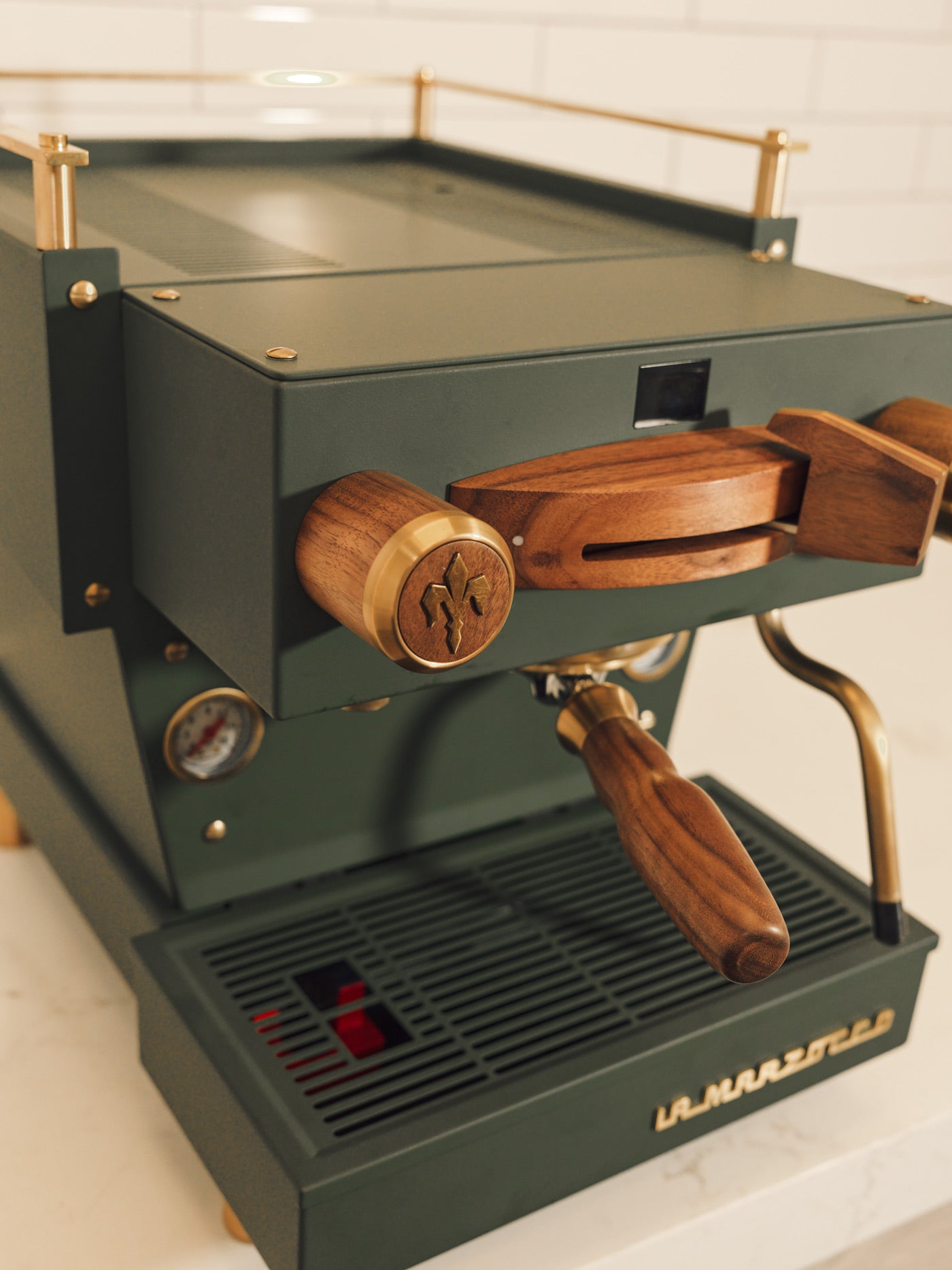
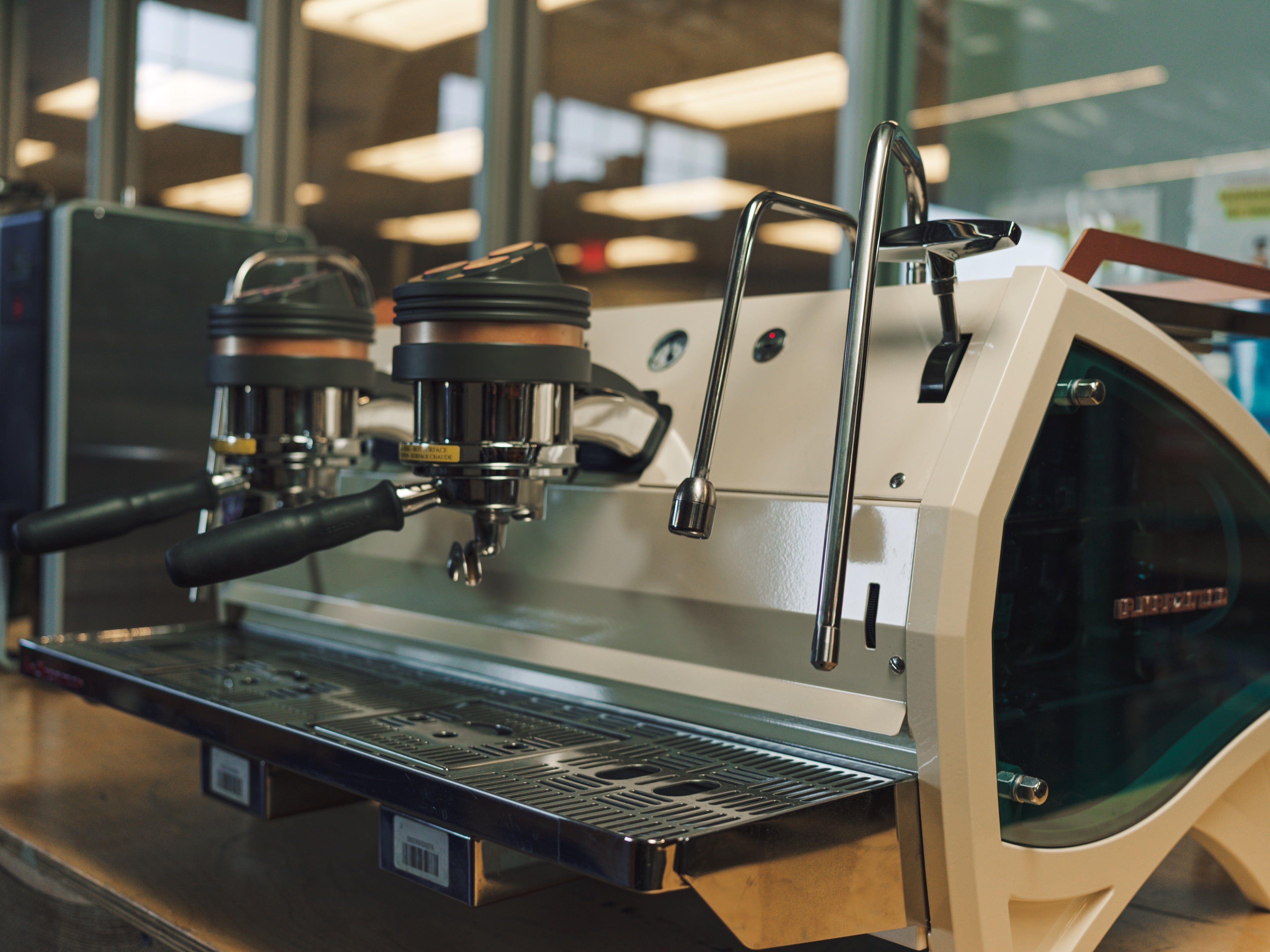
La Marzocco Espresso Machines: Investment or Overkill? La Marzocco machines are a favorite among coffee professionals worldwide, known for their craftsmanship, durability, and performance. If you’re considering bringing one into your café or business, this comprehensive FAQ breaks down everything you need to know—from choosing the right model to maintaining it long-term. Which La Marzocco Machine Is Best for Home Espresso or a Coffee Cart? None other than the Linea Mini. The Linea Mini is a classic machine, and one of the top selling models from La Marzocco, constantly in high demand and continuously pumping out top quality espresso. Which La Marzocco Machine Is Best for a Café? When it comes to commercial use, the most talked-about models are: Linea Classic SGB5KB90Strada Linea Classic S The Linea Classic S is La Marzocco’s workhorse. Beloved for its reliability and ease of use, it offers dual boilers, PID temperature control, and can be configured as AV (auto-volumetric) or EE (semi-automatic). It’s ideal for cafés that need consistent, repeatable espresso shots and long-term dependability. GB5 The GB5 combines timeless Italian design with cutting-edge thermal stability. With its sleek exterior and robust internals, it’s perfect for cafés that value both performance and aesthetics. Built to handle medium- to high-volume service with precision. KB90 Designed with barista workflow in mind, the KB90 introduces the revolutionary straight-in portafilter, reducing strain and speeding up service. It also features powerful steam and advanced controls—making it the choice for high-volume cafés with back-to-back rushes. Strada The Strada is La Marzocco’s most advanced machine, built for experimentation and control. With options for pressure profiling and customizable brew settings, it’s favored by specialty coffee shops that want to push the limits of espresso extraction. What’s the Difference Between the Linea Classic S and Other Models? Size & Capacity Linea Classic S: A versatile option for most cafés—compact yet powerful. GB5 & KB90: Larger footprint, built for higher volume and ergonomics. Strada: Available in multiple configurations, tailored to specialty shops. Features Linea Classic S: Reliable, straightforward, with PID and dual boilers. GB5: Adds temperature stability, sleek design, and advanced electronics. KB90: Focuses on workflow efficiency and speed. Strada: Offers the highest level of control and customization. Verdict:Choose the Linea Classic S if you want reliability and simplicity. Opt for the GB5 or KB90 if you’re running a high-volume café. Go with the Strada if you’re aiming for innovation and experimental coffee service. Are La Marzocco Machines Worth the High Price? Yes—if you value build quality, consistency, and long-term durability. La Marzocco machines are hand-built in Florence, Italy, using stainless steel boilers, precision components, and commercial-grade parts. You’re paying for: Precise temperature stability Café-grade steam power High-end craftsmanship Excellent resale value For a professional café environment, the investment pays off in consistency, customer experience, and fewer breakdowns. How Do I Maintain and Clean a La Marzocco? Daily Cleaning Backflush with water after every shift. Wipe and purge the steam wand. Rinse portafilters and baskets. Weekly Cleaning Backflush with espresso cleaner. Soak portafilter baskets and shower screens. Monthly Inspect and replace group gaskets as needed. Check filtration system. Descaling Frequency depends on water hardness. Always use filtered or softened water to reduce scale buildup. Descale as recommended to avoid internal damage. Do Commercial La Marzocco Espresso Machines Require Professional Installation? Yes. Unlike home models, commercial machines require: Direct plumbing 220V power Proper water filtration/softening Professional installation ensures correct setup, protects your warranty, and maximizes performance.